All Chicago Dance Shoot #ACDS

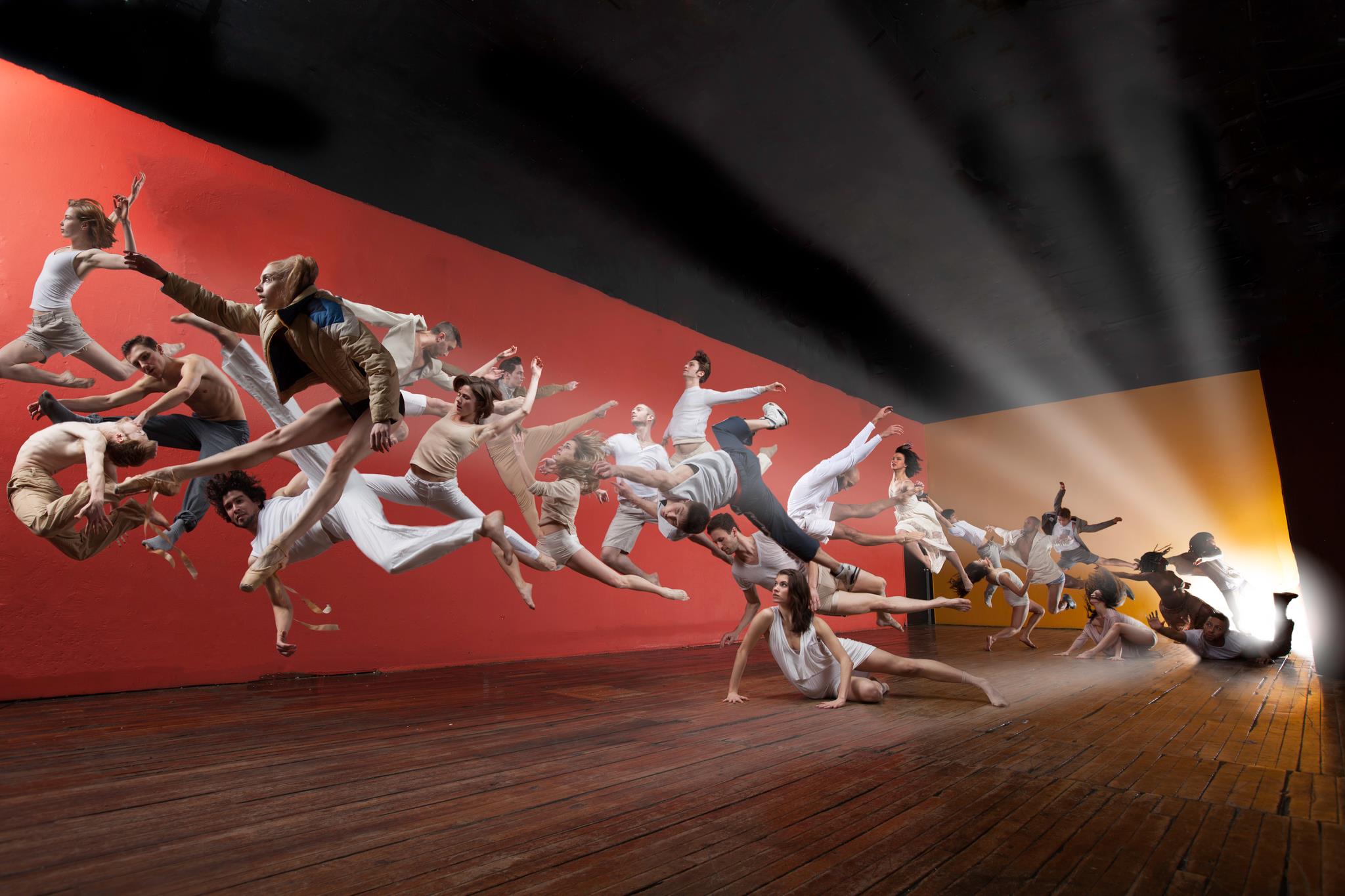
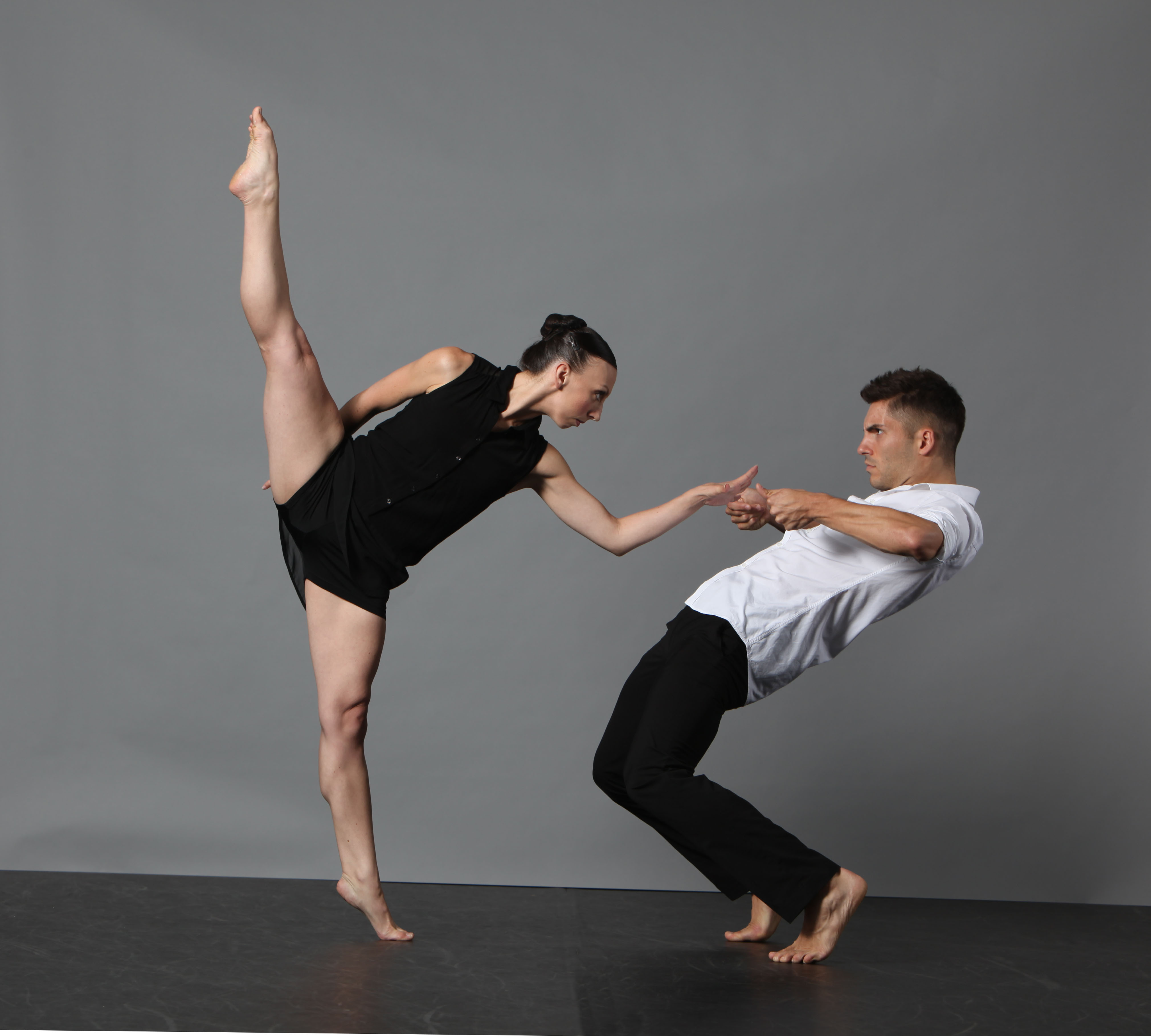
All Chicago Dance Shoot. Photo by Quinn B Wharton.

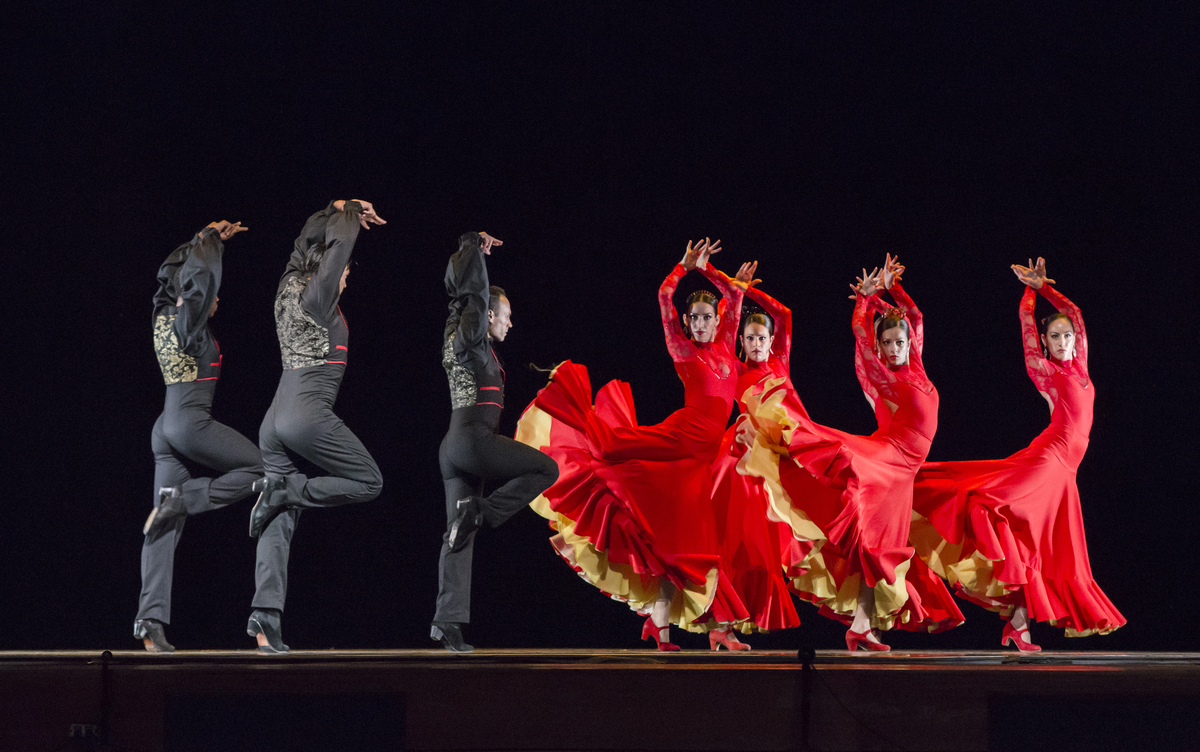
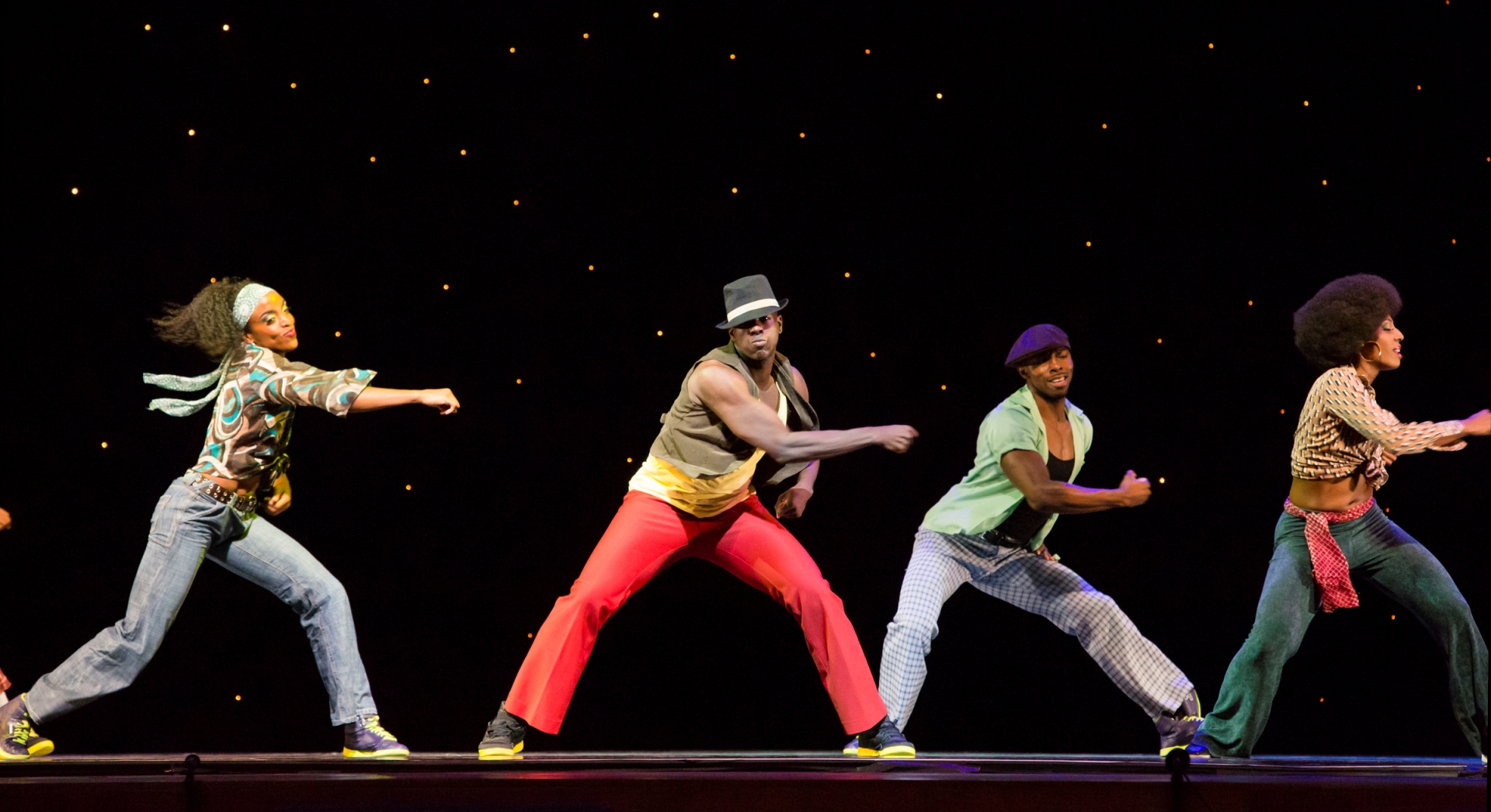
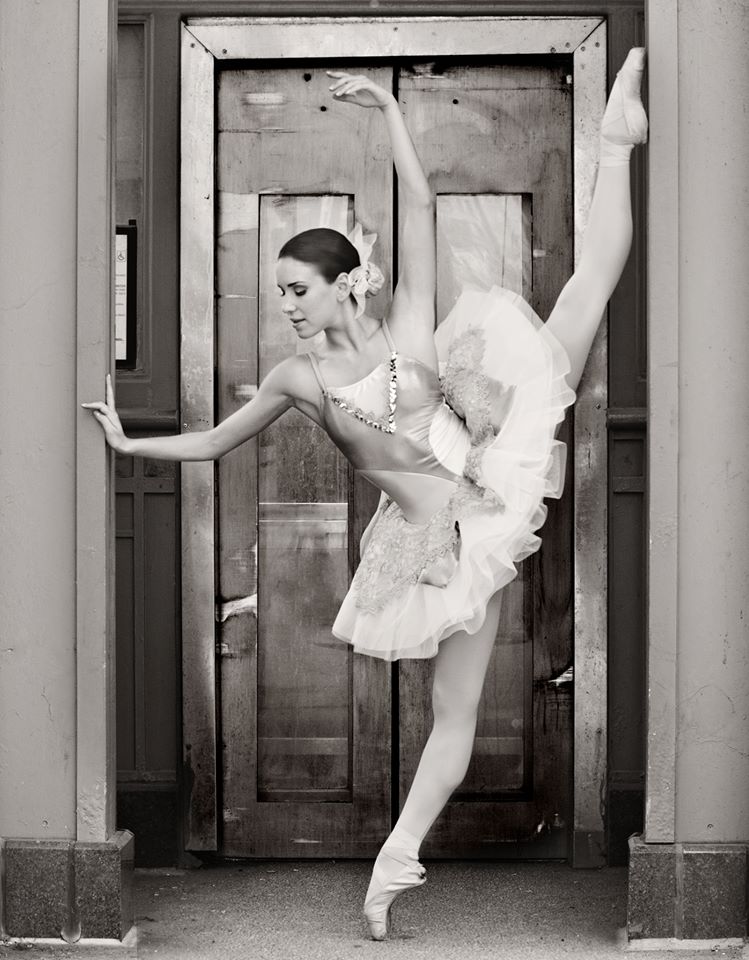
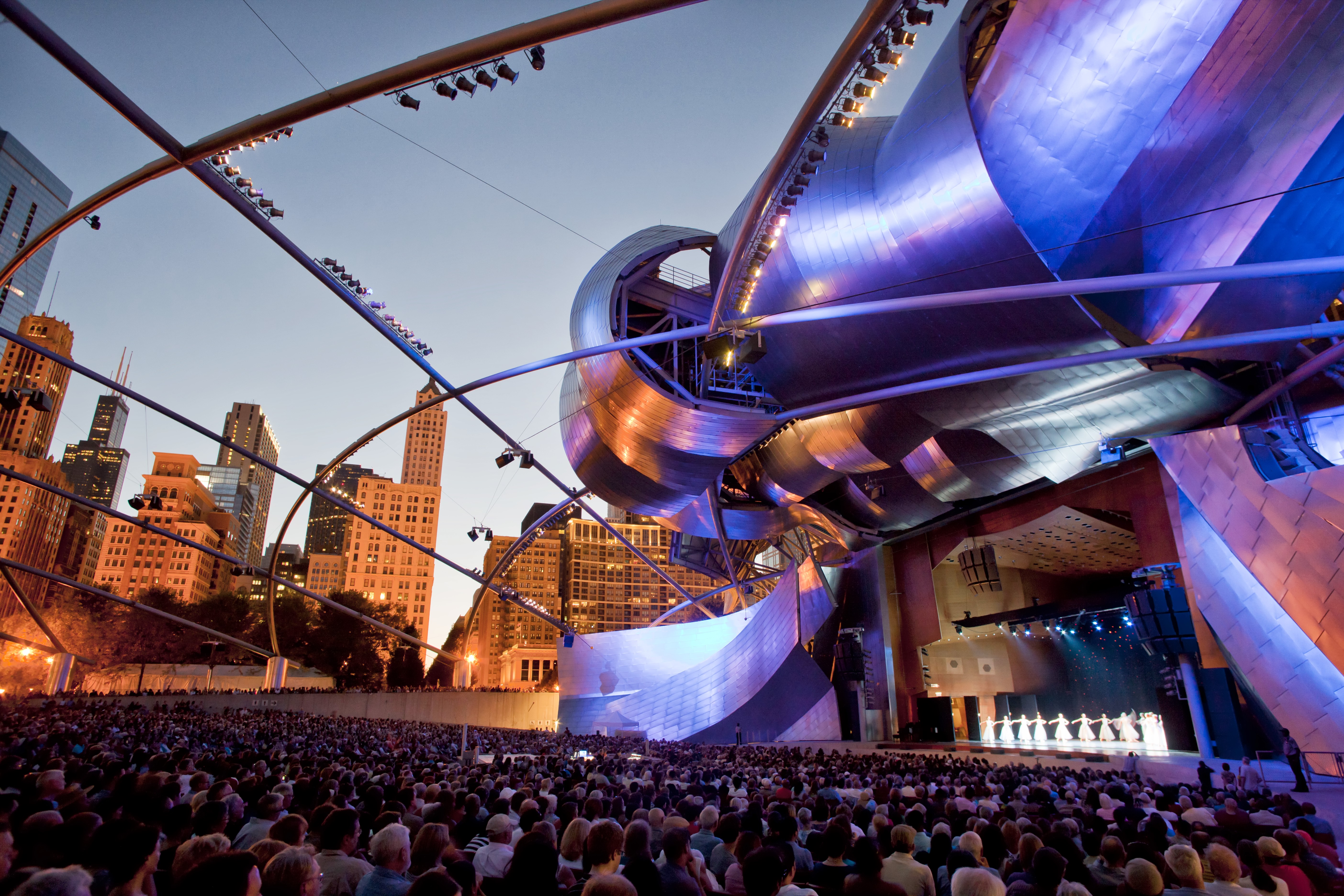
What would happen if dancers from all over Chicago were invited to get together for a one-day photo shoot? Hubbard Street dancer and professional photographer Quinn B Wharton and Chicago native/dancer Jonathan “Jojo” Alsberry decided to find out. By creating a Facebook event page, the pair invited as many dancers as they could to participate in this uniquely awesome artistic feat.  On Easter Sunday a couple dozen dancers from companies like River North Dance Chicago, Giordano Dance Chicago, Luna Negra Dance Theater (now defunct), Hedwig Dances, Joffrey Ballet,  and more, as well as local independent artists gathered at the Intuit Gallery to get their creativity on with direction from Wharton. The result: the cool-ass photo above that captures the energy, vibrancy and diversity of Chicago’s dance scene.

A statement about the project from Wharton:

“This project was about community more than anything else. Having moved to Chicago not so long ago I was struck by the city’s vibrant and close-knit dance scene. The dancers here know each other, support each other, and work together whenever possible. Coming from a different environment, I was touched and inspired by this community. Trying to get a number of dancers together for a shoot was an early thought that I wanted to pursue. With the closing of Luna Negra, and its shock to the dance community, it seemed like a perfect time to attempt to get a group together. With a strict timeline set we worked to find a location, develop a concept, and pull all the dancers together. The day became a testament to that, a gathering of dancers from a number of companies in the city. Everyone pitching in, lending support, and hopefully making new connections that will last. The dynamic of an art community in a city is fostered by these cross interactions and educations, positive sit downs where everyone builds real face-to-face relationships. This photo is the first like it that I have ever attempted, a large panoramic that involves a significant amount of photoshop work. It taught me so many things about how to prep, build, and execute a work like this; something that I will carry with me for as long as I take pictures. So thank you to everyone involved, I hope that the process has affected you in some way, and that you will continue to carry that community out into the world.”

To see the photo larger or order a print, go here.

Harris Theater’s Eat to the Beat: Giordano Dance Chicago

Giordano Dance Chicago in Autumn Eckman's
Harris Theater for Music and Dance.
Food trucks at Harris Theater for
Lunch from Bombay Wraps at
Ready for the show!

What a fun lunch! Today I went to the Harris Theater‘s Eat to the Beat series, a lunchtime $5 dance performance where you can take your lunch or partake in the fantastic food truck offerings on the lower level of Randolph Dr. and enjoy a show. Giordano Dance Chicago (GDC), celebrating 50 years with performances at the theater this weekend, took the stage to a scattered, but substantial house at noon. I got there early to stake my claim, since it was open seating, and grabbed a delicious Paneer Wrap from Bombay Wraps, a glass of wine – don’t judge, it’s Friday! – and a cupcake from Gigi’s Bake Shop for the road. Unfortunately, I didn’t have stomach room or time for a tamale from the Tamale Spaceship…next time, for sure.

The show opened with Giordano Moves, a retrospective of Gus Giordano’s famous jazz style, set by his daughter Nan and former GDC dancer John Lehrer in 2005. Although the style is a bit antiquated by today’s standards, it is a lovely historical look back and it’s nice to see the tradition carried on. The old school jazz moves (lots of triple turns, double stag jumps and “Gus” arms) look way different on these younger dancers bodies. The second company performed River, by former dancer Cesar Salinas. Wow! These five ladies are the future. Tons of energy and beautiful technique. You can tell they are young and hungry (in an artistic way, not like me…still eating my paneer).

The main company followed with a 2012 work by Artistic Associate Autumn Eckman. G-Force is a fun look at what dance might be in the future. Hints of jazz, lyrical, contact improv, street with inventive partnering show off these eight dancers talents well. Funky! I had to leave early to make it to work on time, but GDC closed the mid-day show with a world premiere by L.A. choreographer Liz Imperio titled La Balleza De Cuba (The Beauty of Cuba). Luckily, I will get a chance to see it at tomorrow night’s performance.

Giordano Dance Chicago has two performances left this weekend, Friday-Saturday, March 22-23 at 7:30 pm. Tickets are available by calling 312.334.7777 or at www.harristheaterchicago.org.


Benjamin Wardell/The Nexus Project: It’s Complicated

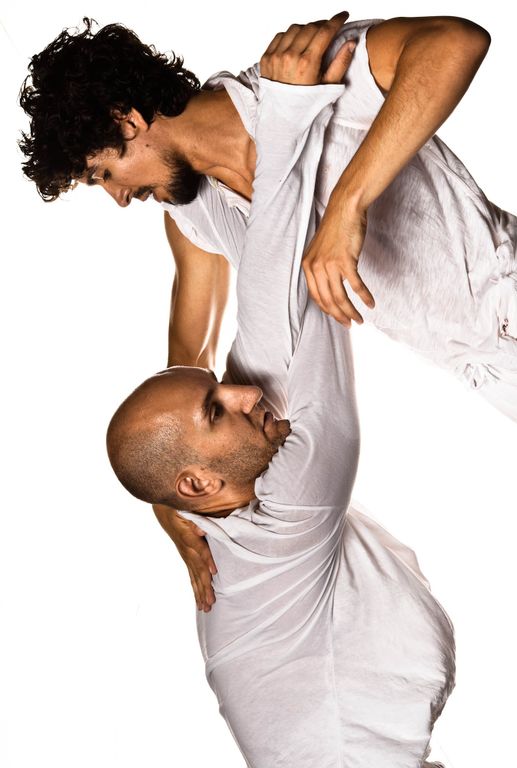
Benjamin Wardell and Michel Cintra.

It starts with two men working with 12 different choreographers separately, then they take the material and remix it. In the meantime, funds need to be raised, a venue found and confirmed and the final product created. Much like the mind behind The Nexus Project – it’s complicated. Benjamin Wardell is not new to the Chicago dance world. He danced with Hubbard Street Dance Chicago for four seasons in a wide range of works by Nacho Duato, Alonzo King and many by resident choreographer Alejandro Cerrudo, among others. After he left Hubbard Street, most thought he’d retired from dance and/or moved away. Lucky for us, he didn’t.

Before coming to Chicago, the Memphis-native danced for the Cincinnati Ballet and Alonzo King’s LINES Ballet. Now a freelance dancer (a touring stint with Azure Barton and Artists and currently with Lucky Plush Productions), he’s also teaching at Extensions Dance Center, Visceral Dance Center and occasionally at Lou Conte Dance Center. He’s the official videographer for Luna Negra Dance Theater and River North Dance Chicago as well as a freelance photographer. He also does repetiteur work setting piece from the Hubbard Street rep around the country and is in charge of the company’s summer intensive program in Iowa. “I’m all over the place,” he said. “For me, that’s great. My brain is in 20 places at once. Whenever I would get into a company, I would eventually feel compressed by the lack of variety. Even just going in the same building every day. Now, I’m in so may place that I stay calm to make sure I don’t forget anything. That lifestyle works better for my internal make-up.”  For the upcoming project he’s teaming up with dancer Michel Rodriguez Cintro (of Hedwig Dances) and a dozen local choreographers for an exciting and ambitious project tentatively scheduled to premiere later this fall.

RB sat down with Wardell earlier this year to talk about his career, past and present.

Hubbard Street is currently in collaboration with Alonzo King/LINES Ballet. You’ve previously said that working with Alonzo for a long period of time is transformative and that it changes the way you dance. Is it also emotionally taxing?

Yes. He pushes really hard. The work is not particularly emotive, but it’s emotionally taxing because you’re always pushing really hard. He expects you to always be generating thought. In a way, your creativity with your movement maxes out, because he always wants it to be different every time and you perform the same piece like 130 times, but if you do it the same 2 or 3 times, he’ll call you out on it. “You need to explore that section of movement in a different way.” Part of the transformation was how to get creative doing the same movements and embracing the constant change. One of the good things is it prevents that subtle death of the choreography where it starts to look comfortable.

When you decided to leave Hubbard Street, what was going through your head?

I started to realize I wasn’t built for companies. It’s becoming easier to freelance and the sound of being in control of what I was doing was appealing. I thought it was pliable for me to do. I got to the point where I’d achieved all my institutional goals. At this point, I’d rather make something new that’s a “swing and a miss” than do a masterpiece that was made for someone else. I found myself at this place where I wanted to be generating stuff rather than learning choreography. That combined with I was getting into video and photo work and wanted to explore those avenues. I needed to be on my own in a way that I could do a lot of things. I had a vague thought about wanting to produce work, but that was the least part of my original plans. 

Why did you call the new project The Nexus Project?

I’d been calling it the “Two Man Show” since it’s inception, but I though that was a little generic for product packaging. I talked to a friend of mine that does marketing and he said I should have an overarching name. “The Nexus Project” was the first thing I came up with. The idea for the project, having all the choreographers and an open rehearsal process for the second half, is that the two of us, rather than being in a bubble, are the crossing point for all the spokes.

How did you pick Michel?

He choreographed for The A.W.A.R.D.S. Show and I was like “who the fuck is this guy and how have I lived here for two years and not know him?” I saw Chino (Michel’s nickname) dance and was shocked that he would be in this city and I had no idea. So I introduced myself. I need to find another guy that I can share the stage with for an hour and be on even ground with and who is available to do the amount of rehearsals needed. That list was short, because of all the demands.

How did you pick the choreographers (*listed below)?

It took me three or four months to hash out the project, it was a pretty slow process. It started off with just wanting to explore male duets. So a two-man show, then I started to think about my particular strengths and weaknesses. I’m not good with or particularly good at generating movement. That was a bit tricky. So what if I work with other choreographers? What am I good at? Outside of dancing, my secondary talent or other interest is coordinating people and finding connections between disparate parts, partly because my brain exists in that place. The way that things connect is how I see thing. I love complexity, so I should make a complicated process, because I’m going to feel at home in it. It’s going to tap into my capacity spectrum. Part of it was wanting to deal with the hierarchy of dance. Every choreography has a different methodology, but the way dance gets made is essentially the same in terms of the choreographer coming into the room and being in charge and making a piece and then leaving. That basic structure doesn’t really change. I’ve never been in a process that has more choreographers than dancers. Let’s try that. And, frankly, I just like the number 12.

Is there a choreographic theme to the show?

No. This is one of the aspects of the show that I’m most proud of – the process. It wasn’t one of my goals, it’s something I realized had happened once the process was set. The 12 choreographers have that truly rare consequence-free environment. That have two dancers who can do pretty much anything they can come up with, who are willing to try whatever, from the most risky to the most strange. We will do whatever you ask us with zero judgment. They get 12 hours of rehearsal each and they get to keep the work, but they’ve given us permission to use them. The choreographers came from wanting to represent the community, to give credit to all the stuff going on. I want people to have total freedom. At the end of February, whether they’ve finished their piece or not, I’m done with that phase of the project and need to move onto the second, which is the remixing process, an open rehearsal process (for donors) and putting the show together. A big part of why the second part is open is that studio time is our favorite time as dancers and yet we never let anyone in. 

What are your hopes for The Nexus Project?

In terms of the final show and guaranteeing it being not terrible, priority number one is “Don’t Suck!” Especially if you’re trying something new. It’s terrifying because this is all my little new idea and I haven’t had any experience with it aside from having a choreographer set work on me. The basis of the show that will make it at the very least not a waste of time, is that they’re going to come see some good damn dancing. You’re going to see two real good male dancers who are real good at dancing with each other and can hold a 60-70 minute show no matter what we’re doing. I felt like we would get better at dancing together more quickly if we had to work with a bunch of different choreographers than if we were spending the same number of hours just doing our own thing. It’s hard to avoid self-indulgence when you’re totally in charge. Having to go from style to style, I feel like we’ve gotten to know each other’s dancing fairly quickly.

For more details on The Nexus Project and to donate to the Kickstarter campaign (ends Wednesday, Jan. 23!) click here.

*Choreographers include: Harrison McEldowney, Francisco Avina, Autumn Eckman, Robyn Mineko Williams, Julia Rhoads, Penny Saunders, Ron De Jesus, Jonathan Meyer and Julia Rae Antonick (Kechari), Nicolas Blanc, Jonathan Fredrickson, Matthew McMunn and Daniel “Brave Monk” Haywood.
 

Chicago Dance 2012 Highlights

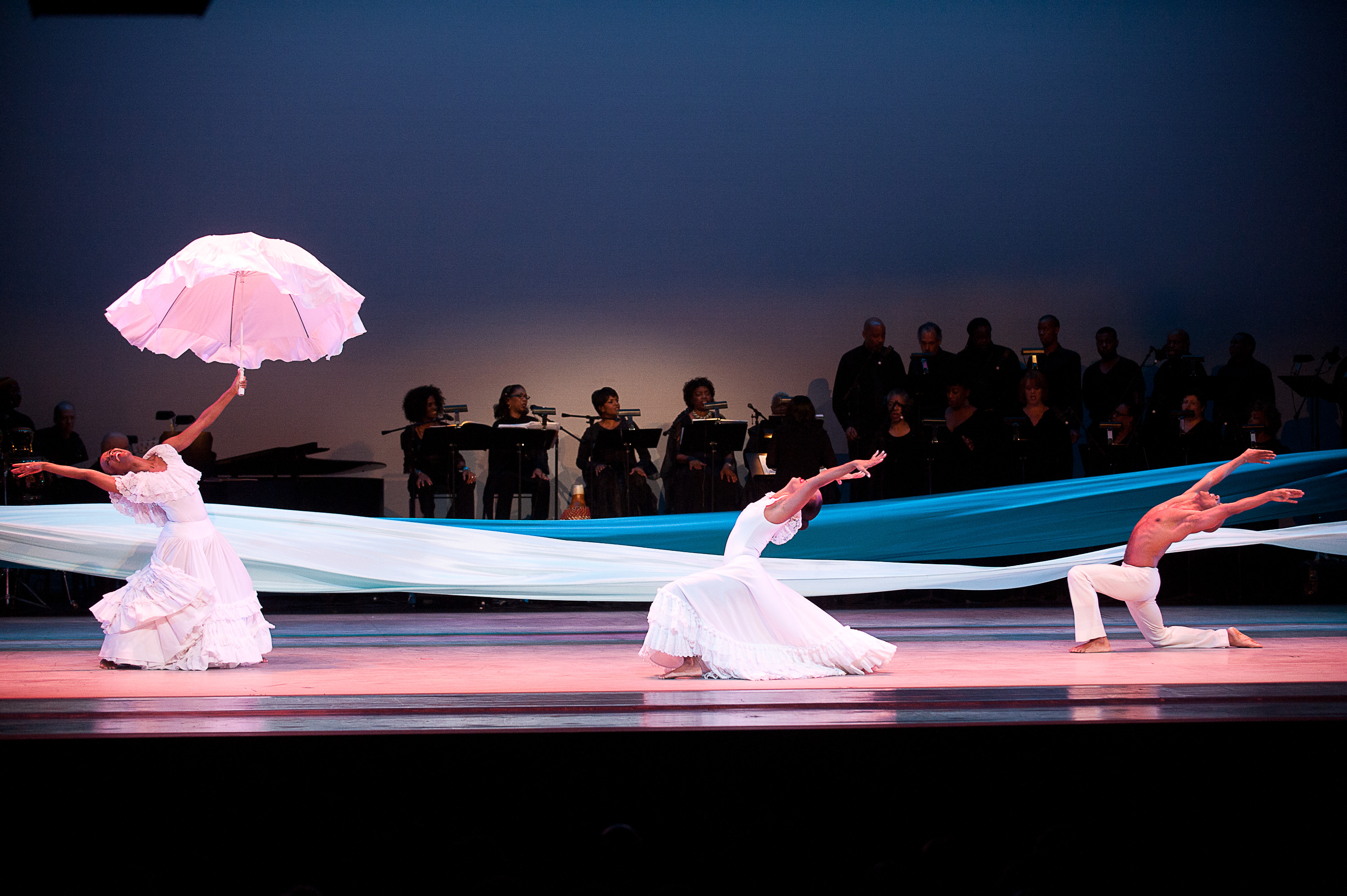
Alvin Ailey American Dance Theatre dancers in "Revelations". Photo by Christopher Duggan.

Nothing says end-of-the-year-review time quite like the last day of the year…am I right? My proficiency in procrastination aside, now is the time to reflect on the past year and look forward to new, exiting surprises in the next. Here’s my Dancin’ Feats year-end review for Windy City Times that came out last week noting 12 memorable performances/performers of 2012, but I wanted to add a few more things.

Looking back at my notes and programs from the year (yes, they are all in a pile, I mean filing system, in the corner of my bedroom) I am so thankful for all the wonderful dance I get to see. Narrowing it down to 12 “top whatevers” was not an easy task for there were too many people and performances to name. Here are some other performances that are still in my thoughts:

Alvin Ailey Dance Theater in Ohad Naharin’s Minus 16. Although Revelations is still amazing, seeing this company in more contemporary work was refreshing. And the audiences at Ailey performances are a show unto themselves.

Paris Opera Ballet and American Ballet Theatre‘s performances of Giselle were stellar for their star-studded casts on opening night, but ABT’s Sunday matinee with real-life couple Yuriko Kajiya and Jared Matthews stole my heart.

Luna Negra Dance Theater founder Eduardo Vilaro brought Ballet Hispanico to town with former Chicago dancers (Jamal Callender, Jessica  Wyatt and Vanessa Valecillos) back for a rep show at the Dance Center to much acclaim, while current director Gustavo Ramirez Sansano continues to take the company in new and fascinating directions.

The Seldoms, in their tenth year, deconstructed the Harris Theater and traipsed around the world to collaborate with WC Dance in Tapei, while tackling the ongoing arguments around climate change with artistic director Carrie Hanson’s trademark wit and intelligence.

Before Hubbard Street Dance Chicago turned 35 this fall, it said goodbye to retiring, beloved dancer Robyn Mineko Williams. Artistic Director Glenn Edgerton completed his goal of presenting all five master European choreographers in the rep with the acquisition of Mats Ek’s Casi-Casa. Ek’s work took the company to a new level, but I’m still haunted by their dancing in William Forsythe’s Quintett from the summer series.

The Joffrey Ballet performed Forsythe’s In the Middle, Somewhat Elevated in their regular season and at the Chicago Dancing Festival. I was proud to be an official CDF blogger for the second year in a row. New to the fest this year was Giordano Dance Chicago, now celebrating 50 years. And Muntu Dance Theatre of Chicago hit 40!

River North Dance Chicago dancer Ahmad Simmons deserves a mention for his work in Ashley Roland’s Beat, particularly his performance on the Pritzker Pavillion stage in Millenium Park.

Special thanks to Catherine Tully of 4dancers.org for her continuous and generous encouragement and insight. Thanks lady!

Dance writing-wise, I’m thankful for the opportunity to write for Front Desk Chicago, Windy City Times, 4dancers and Dance Magazine.

I could go on (and on…), but tomorrow is a new year and I look forward to seeing more incredible dancing and dancers in our most awesome city. Happy New Year!


CDF 12: Dancing East & West of Chicago

CDF 12 Giordano Dance Chicago in Alexander Ekman's "Two Become Three". Photo by Cheryl Mann.

The Chicago Dancing Festival continued last night with the Dancing East and West of Chicago program at the Auditorium Theatre at Roosevelt University.  Where Monday night’s Chicago Dancing show focused on local talent, Wednesday’s show featured companies from around the country.  The East was represented by Brian Brooks Moving Company and Martha Graham Dance Company, both from New York, and the West by Ballet Arizona, San Francisco Ballet (SFB) and Pacific Northwest Ballet (PNB) from Seattle.  Not only did the program represent dance companies from coast-to-coast, but the works presented spanned centuries from the 1890 classical ballet (Sleeping Beauty pas de deux) to 2011 postmodern (Brooks’ Descent).

Brook’s piece began with dancers carrying one another across the stage across their backs in a 45-degree plank.  The patterns were a meditation in strength and balance, but the most intriguing moments happened with props.  Dancers waving flat boards created wind gusts that animated pieces of tulle.  The effect was like the movie American Beauty, where the paper bag danced in the wind. Here, the fabric was doing the dancing, while the dancers did the grunt work. It was beautiful.  The other New York contingent presented an all-female work about reactions to war.  Chronicle (1936) highlights the strength of women with Graham’s signature contractions, pitches, cupped hands and severe drama.  The Red Shroud solo performed by Blakeley White-McGuire was particularly intense.  Ladies – fierceness be thy name.

A last-minute Midwest addition to the program was Alexander Ekman’s Two Becomes Three performed by two dancers from Giordano Dance Chicago (GDC).  Maeghan McHale and Martin Ortiz Tapia danced this quirky duet on Monday night at the Harris Theater.  They were delightful then and even better last night.  The audience loved them.

Although only one of the three ballet companies performed a work by George Balanchine, they all have ties to the famous Russian choreographer.  The artistic directors of Ballet Arizona (Ib Andersen), SFB (Helgi Tomasson) and PNB (Peter Boal) all danced for the company Balanchine founded, the New York City Ballet (NYCB).  All three have Balanchine works in their rep and employ dancers that fit in the quintessential Balanchine ballerina mold (read: short waists, long legs, gorgeous feet).  His trademark fast footwork and neo-classical style were on full display in the opening number by Ballet Arizona.  Rubies, an excerpt from his three-part ballet Jewels (1967) was pertly performed by the petite cast – except for soloist Kenna Draxton, who towered above the rest.  The tableau of 15 dancers in a semi circle, dressed in ruby red costumes, hands joined above their heads as the curtain opened was stunning.  What followed was a whirlwind of delight.  Shout out to Jillian Barrel and Nayon Iovino, quite the dynamic duo.

PNB dancers Lesley Rausch and Seth Orza beautifully performed Jerome Robbins’ Afternoon of a Faun (1953), which is set in an abstract dance studio with the audience serves as the mirror.  The haunting score by Claude Debussy lends a melancholic tone to the duet where the dancers seem more interested in their reflections than each other.  While this pas was more casual in tone and in dress (leotard and tights with hair down for her, tights and bare-chested for him), the Sleeping Beauty pas de deux, performed by SFB’s Sofiane Sylve and Vito Mazzeo, was full-out formal.  Normally danced at the end of the nearly three-hour ballet, this duet represents the marriage of the princess to her prince.  The sparkling tiara, tutu and tunic couldn’t out-dazzle this couple.  They were spectacular.

There was one slip up – literally – in last night’s show that I must mention, because I think it was the turning point -wow, no more puns I promise – of the show.  During the Beauty pas, Sylve slipped and fell.  Not just a “whoops!”, but a crash-and-burn on her…um, tutu.  The shock of it had made the audience gasp loudly, but Sylve got right up and finished with the grace and talent of the true professional she is.  I’m (almost) glad this happened for three reasons.  1. Shit happens -  when it does, you get back up and continue on.  2. It proves she’s human.  3.  It not only shows the audience, which more than likely had some ballet newcomers in it, that the stage was slick, but if a ballerina of this caliber can fall just walking to the upstage corner of the stage, it shows just how difficult it is be to dance a difficult pas in pointe shoes.  The slip upped the respect of the audience tenfold, because she made the rest of it look utterly effortless.


CDF 12: Opening Night slideshow

After School Matters #CDF12
After School Matters CDF 2012
Bolero Chicago CDF 2012
GDC CDF 2012
GDC CDF 2012
HSDC CDF 2012
HSDC CDF 2012
HSDC CDF 2012
Joffrey CDF 2012
Joffrey CDF 2012
Joffrey CDF 2012
 
1/14
 

View some great photos taken of the Chicago Dancing Festival‘s opening night program Chicago Dancing taken by the ever-lovely Cheryl Mann.

1 & 2: After School Matters in Touch of Soul by Nicholas Leichter

3 – 6: Bolero Chicago by Larry Keigwin

7 & 8: Giordano Dance Chicago dancers Maeghan McHale & Martin Ortiz Tapia in Two Become Three by Alexander Ekman

9-11: Hubbard Street Dance Chicago dancers Kellie Epperheimer, Johnny McMillan, Garrett Anderson & Pablo Piantino in Scarlatti by Twyla Tharp

12-14: Joffrey Ballet dancers Victoria Jaiani & Rory Hohenstein in In The Middle, Somewhat Elevated by William Forsythe

CDF12: Chicago Dancing

The Chicago Dancing Festival (CDF) kicked off its sixth year with a performance showcasing local talent.  CDF Board Chair David Herro welcomed the audience and took a few minutes to talk about the origins of the fest and its mission.  He said it’s threefold: 1) to make Chicago a national and international dance destination, 2) to keep elevating the dance form and building an audience by providing the best dance at the lowest possible cost – free!, and 3) to provide a forum, a place where these dancers can come together and watch each other perform.  Mission accomplished.

Our dance-loving Mayor was up next, introduced by Herro as “probably the only Mayor in the United States that can do a proper plié”.  (True and something I’m not ashamed to say I’m particularly proud of.)  Rahm Emanuel took the mic, quipping that his plié talent came in handy in the City budget meetings.  While introducing the opener of the show – a performance by After School Matters Hip Hop Culture Dance Ensemble, a program started by the late First Lady Maggie Daley – the current Mayor acknowledged the Daley family in the audience and said the work’s title Touch of Soul was perfect because “dance is the hidden language of the soul.  I can’t think of a better tribute to the soul of our city, Maggie Daley”.  Mayor Emanuel finished by thanking the family – “from the entire city, thank you for sharing her with us”. (Tear.)  That beautiful, but melancholy moment was short lived, because seconds later, 31 young dancers dressed in white took the stage in a world premiere by choreographer Nicholas Leichter with such energy and enthusiasm that the audience was whooping with joy.

Hometown heavy-hitters Hubbard Street Dance Chicago (HSDC) technically tantalized in the epic, exhaustive Scarlatti.  Choreographed for HSDC by Twyla Tharp in 2011, this work for twelve dancers is a testament to speed and stamina.  In their CDF debut, Giordano Dance Chicago (GDC) paired up with Swedish choreographer Alexander Ekman for a humorous duet featuring lead dancers Maeghan McHale and Martin Ortiz Tapia about life and love, but not necessarily a happy ending.  (Great job Maeghan and Martin!)  Intermission was abuzz with conversation, the packed theater a mass of movement, hand shakes and hugs.

The Joffrey Ballet opened Act II with William Forsythe’s In the Middle, Somewhat Elevated.  This contemporary masterpiece from 1987 changed the way people thought of ballet.  The stark set, the off-center partnering, the hyper-flexibility and “I don’t care” attitude wowed audiences then and continue to now.  Dancer Rory Hohenstein’s multiple, multiple pirouettes amazed.  (He later attributed them to a slippery stage.)  The finale of the show was a collaboration with choreographer Larry Keigwin, a few of his dancers and everyday Chicagoans.  Introduced by CDF co-founders Jay Franke and Lar Lubovitch, Bolero Chicago was a tribute to our city.  Big and small, short and tall, the dancers in this piece represented everyone.  A lady reading a newspaper, a woman walking her dog, a passerby smoking a cigarette, a commuter biking to work, a cluster holding on for balance on a bumpy el ride, and a man in drag losing a battle with his umbrella and the wind.  Bears, Bulls, Cubs and Sox tees – even Benny the Bull merrily flipping around the stage.  Illuminated cell phones lit the stage before bows were replaced by the “everyday” contingent jamming out on stage.

Chicago Dancing had something for everyone and everyone liked something different. Perfect.

CDF12 is Here!

Joffrey Ballet's Victoria Jaiani & Fabrice Calmels in William Forsythe's "In the Middle, Somewhat Elevated". Photo by Herbert Migdoll.

Today kicks off the sixth annual Chicago Dancing Festival (CDF) with an all-Chicago show tonight at the Harris Theater for Music and Dance. Chicago Dancing will feature local companies Hubbard Street Dance Chicago, The Joffrey Ballet and Giordano Dance Chicago (making its festival debut).  Also on the program, a new work by Nicholas Leichter showcasing the After School Matters dance ensemble and a new work by Larry Keigwin incorporating “everyday Chicagoans” set to Ravel’s Bolero.

As a dance lover, this is my favorite week of the year.  The fest comes right after the feel-good dance event of the season, Dance For Life, and builds on the positive energy the dance community is still thriving on from this past Saturday’s show.

Here’s a round up of my preview coverage.  Check back throughout the week to read about festival events and performances.

CDF12

Bolero Chicago

Giordano sneak peek

Artist Spotlight: Amber Neumann

Artist Spotlight: Jesse Bechard

For more information on CDF12, please visit chicagodancingfestival.com


Dance For Life Artist Spotlight: Lizzie MacKenzie

Dance For Life performer Lizzie MacKenzie.

“I love dance,” she said, eyes glistening with tears.  Meet Lizzie MacKenzie – a petite, blonde whose energy and blue eyes light up the room.  At 33 she has already lived lifetimes in the dance world.  When she was 12, she joined a friend for “Bring a Friend to Dance Day” in Toronto, Ontario and was hooked. “It was immediate,” MacKenzie said. “I got to kick my legs and spin around the room.  I didn’t know what I was doing, but I loved it.  From the first class I took, I knew it was what I was going to do forever.”

Since that fateful day, she graduated from Interlochen Center for the Arts, danced on scholarship and as an apprentice for Giordano Jazz Dance Chicago (now Giordano Dance Chicago – GDC) before joining the company for five seasons, studied in New York City and Los Angeles, danced with River North Dance Chicago (RNDC) for six years.  She started Extensions Dance Company while still dancing with RNDC and after “retiring” opened Extensions Dance Center.  She is also on staff at Chicago High School for the Arts, Visceral Dance Studio and Steps Dance Center (Naperville), and choreographs and performs as a freelance/independent artist.  If you’ve seen dance in Chicago in the last decade or so, you’ve seen her.  And, if you have seen her, you won’t soon forget it.  She radiates joy from the stage.

This Saturday, MacKenzie joins fellow Chicago dancers to perform in the 21st annual Dance For Life (DFL) at the Auditorium Theatre.  Dance For Life is a benefit dance performance bringing together local companies and artists for a one-night-only show to raise funding for the AIDS Foundation of Chicago and the Dancer’s Fund.  She’s performed in so many past DFL shows that she honestly can’t remember how many.  We settled on at least ten, where she participated in the finale choreographed by Randy Duncan (and one by Harrison McEldowney).  This year is no exception. MacKenzie dances in one of Duncan’s infamously difficult closing numbers and will be performing with Ron De Jesús DanceRB met MacKenzie at her studio to discuss her career and this year’s show.

What brought you to Chicago?

Nan Giordano came to Interlochen and taught a Master Class.  She offered me a scholarship for the school in Chicago.  I told my parents that I wasn’t going to go to college. They were always good about that, but they told me if I was going to be a big girl, then I was going to be a big girl and they were cutting me off.  ‘If you’re not going to do college, you’re going to support yourself.’  Literally two weeks out of high school I moved to Chicago.  I went on scholarship at Giordano Dance Center, lived in somebody’s attic without a kitchen and worked two jobs.  I wouldn’t recommend it, but it’s definitely helped form who I am. It worked for me.

Since you’re “retired”, how do you stay in fighting shape?

I use the term very loosely. I’m not retired, but I felt like it was time to retire from full-time work.  Sustaining a relationship isn’t easy.  (She’s newly engaged to chiropractor Michael Pontarelli – “Dr. Mike”.)  Not that I have that much time now, but I have more.   I’ve been freelancing.  I’m dancing with Ron (de Jesús), dancing in the finale, in Wade Schaaf’s new company Chicago Repertory Ballet, I’m going to do some work with Ahmad (Simmons) and Brandon DiCriscio. I manage to fill my time up.  I commit myself to two classes a week.  I try for three.   I try to get in whenever I can.  I teach a lot. 

You started the youth company while you were still in Rivno.  Have you always wanted to have a company?

I definitely always wanted to have a youth company. If you’d asked me a few years ago, I would’ve told you that I wanted to have a dance studio.  That changed when I was teaching so much and realized how much stuff comes along with that.  So I started the youth company, because I left a studio and a couple of kids came with me and they wanted to perform.  We needed a name and I said, “It has to be Extensions”, because that was what I was going to name my youth company, I just didn’t think it was going to happen now. I thought that would be when I was done dancing.  It started out with four girls in 2005.  I just started “Extensions Too!” And that’s for ages 8 to 11.  That was a new experience this year.  That’s why we opened the studio.  It was just a natural progression.  There was no way I could do the things I wanted to do.  I was renting space.  This is great – now I have constant access. 

 You have such a wonderful stage presence.  How do you teach that – or can you?

I have a really genuine and innate love for the art form.  I love what it has done for me.  I feel it has really brought me out of my shell.  I believe in dance as a means to communicate and movement as a means to communicate.  I’d say some really important things I try to instill in the kids to help them understand that is the love of the art form and a really open state of mind.  We work a lot on being open. We improv a lot.  We do a lot of things that allow them to really open their minds and see more. Harriet Ross once told me that every time she saw me dance it seemed new.  It always looks new.  And it always feels new.  Even today in ballet class, every thing feels new.  It’s not just another plie to me.  It’s the investigation.  A simple plie to me is amazing.  The body is so amazing and the possibilities are amazing.  From feeling the air around my skin to seeing the space with my eyes or feeling my back…the investigation of movement is fascinating to me and brings me a lot of joy. 

How is working with Ron?

I love being in process with him.  This is my third time – once w/ GDC, but twice as an independent dancer and older artist.  I love working with him.  I feel like there’s a nice balance between him appreciating who I am or who each artist in the room is as an individual, but still having a clear enough vision of what he wants that he’s able to mix them nicely.   He doesn’t down you if you make a choice that he wasn’t thinking.  He’s able to appreciate your choices, but make sure you’re meeting his vision too.

The show itself is such a community effort.  What’s dancing in the finale like?

It’s great.  I’ve never felt any stress.  This year is definitely my hardest.  The finale might be the hardest thing I’ve done in my whole life. The thing is, when you go on stage for “Dance For Life”, it’s a different feeling.  You know what the audience’s intention is for being there.  Of course, you’re a little nervous because you put an expectation on yourself, but for some reason when you step on stage, you know that even if you mess up, it’s ok.   When I’m on stage at “Dance For Life” I feel warm. I feel good.  The process is always a little daunting, because it isn’t a lot of time.

I’ve heard many dancers over the years say that Randy’s finales are always the hardest things they’ve ever done.  Why?

I think he really likes to challenge his dancers.  He has a lot of respect for the dancers he chooses and he really likes to push them, particularly physically.  It’s all in a deep, deep plié and a deep contraction.  Honestly, you don’t a lot of work like that these days.  And the cardio of it all, that’s the killer.  I literally thought I was going to throw up.

What’s in your future?

It’s always worked out for me that my future becomes very clear as I continue on my path.  Of course, I look back and think, I could’ve done this.  But I’m happy with my path.  There’s only “x” amount of years to live.  You can’t do everything.  I think I’m just going to keep doing what I’m doing.  Hopefully things will continue to grow.  I don’t want the youth company to get too much bigger.  I think we’re able to produce the quality we have, because it’s small.  The open classes have been going well.  I’ll keep dancing until I can’t anymore.  Maybe have a kid.  I really want to have babies, so that will happen sooner or later. 

Dance For Life at the Auditorium Theatre at Roosevelt Universtity, 50 E. Congress Pkwy. Saturday, August 18 at 8 pm.  For ticket information, visit www.danceforlifechicago.com.


CDF12 Sneak Peek: Giordano Dance Chicago

Giordano dancers Martin Ortiz & Maeghan McHale work with choreographer Alexander Ekman. Photo by Joel Solari.

A whimsically humorous contemporary duet by Swedish phenom choreographer Alexander Ekman will mark Giordano Dance Chicago‘s (GDC) debut performance at the Chicago Dancing Festival (CDF) this August.  A small group was given a preview yesterday afternoon at Columbia College’s studios on South Wabash.  Ekman, 28, danced with the Royal Swedish Ballet, Nederlands Dans Theater (NDT), Cullberg Ballet and Ballet du Rhin before embarking on his choreographic career, which started in 2006 with a piece created for NDT II.  Since then, he has made new works for companies around the world.  His work, Two Become Three, was originally created last year on dancers at Julliard where CDF co-founder Lar Lubovitch saw the piece and commissioned it for the opening night of this year’s festival.

Ekman has been in town since Monday and set the piece on GDC dancers Maeghan McHale and Martin Ortiz Tapia in about three days.  Ekman recorded a voice over that plays on top of the score providing an audible inner monologue of the characters on stage.  A “surprise” prop at the end of the piece provides another layer of humor to the tongue-in-cheek piece that garnered laughter from the viewers at rehearsal.  The piece is lighthearted and fun, but the dancing is anything but simple.  These two seasoned dancers take the physical and theatrical demands in stride.  An obvious respect and rapport grew out of the intense few days in the studio and the result will delight the audience at Chicago Dancing on Monday, August 20 at the Harris Theater for Music and Dance.

Debuting at CDF12 isn’t the only exciting things happening for GDC.  Kicking off their 50th anniversary season, the company changed its name (notice the “Jazz” is gone), has a brand new website and logo, as well as new administrative offices (1509 S Michigan Ave, 2nd floor) and is a resident company at the new American Rhythm Center* (ARC) which will open new studio space later this month. If good things come in three’s, they’ve overshot by a few and I see only more good things in the future for GDC.

Chicago Dancing Festival presents Chicago Dancing at the Harris Theater, 205 E. Randolph, Monday, August 20 at 7 pm.  Tickets will be released Tuesday, July 17 at noon.  For more information, visit www.chicagodancingfestival.com

*More information on ARC here.